Students enrolling in the enhanced Materials Engineering bachelor’s programme at Riga Technical University (RTU) will now have the opportunity to combine studies in materials science with digital technologies, artificial intelligence, and innovation. Offered by RTU’s Faculty of Natural Sciences and Technology, the redesigned programme has been developed in collaboration with RTU Riga Business School (RBS), enabling students to gain expertise not only in advanced materials but also in entrepreneurship and technology management.
The programme has been updated in response to the evolving needs of the labour market, where employers increasingly seek professionals who combine a strong foundation in materials science with knowledge of emerging technologies. While the development of new materials once relied primarily on laboratory experimentation, today’s breakthroughs are increasingly driven by data, computational modelling, and artificial intelligence. AI is now widely used to predict material properties, design experiments, optimise products, and improve manufacturing processes.
Alongside core studies in chemistry, physics, and biology, students will be able to specialise in information and digital technologies through courses delivered in collaboration with RTU Riga Business School. These include project management, technology management, data analytics, digital transformation, and the application of artificial intelligence in innovation and product development.
At the same time, academic staff from RTU’s Faculty of Natural Sciences and Technology will provide in-depth education in next-generation materials, with a particular focus on biomaterials, sustainable materials, circular economy principles, and advanced materials technologies.
“Artificial intelligence, data science, and digital technologies are fundamentally transforming both research and industry. Future engineers must be able not only to develop innovative solutions but also to use modern technologies to create them. RTU’s mission is to educate specialists who will lead these transformations and develop the technologies, sustainable materials, and high-value products of the future for global markets,” says RTU Rector Tālis Juhna.
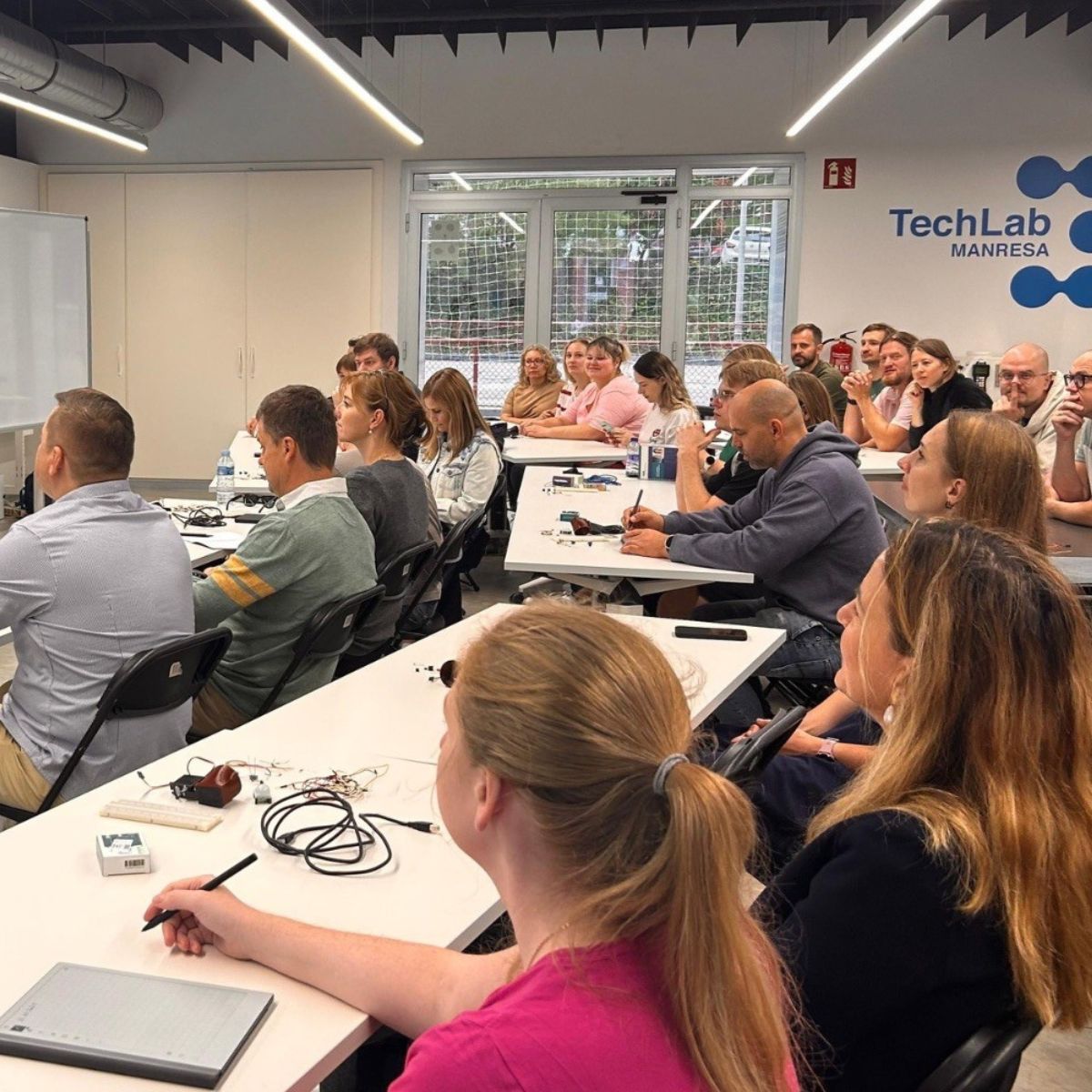
Practical experience and close collaboration with industry will remain a central part of the programme. Throughout their studies, students will participate in research projects, work in state-of-the-art laboratories, and collaborate with companies on the development of new products and technologies. In addition, international mobility opportunities will allow students to gain valuable experience at partner universities, research centres, and companies abroad.