Artificial intelligence is reshaping the technology industry by automating routine tasks and changing the skills employers expect from the next generation of professionals. Yet despite these changes, IT remains one of the most promising and best-paid career paths.
If you are considering a master’s degree in IT and are looking for a programme that offers more than technical expertise by combining technology with leadership, analytics, finance, and organisational management, the MERIT master’s programme is one option worth exploring. Developed by RTU Riga Business School in collaboration with the RTU Faculty of Computer Science, Information Technology and Energy as part of the European Union’s digitalisation initiative, MERIT prepares professionals to succeed at the intersection of business and technology.
According to the latest World Economic Forum Future of Jobs Report 2025, the global labour market is being transformed by technological advances, the green transition, and demographic change. Demand is growing fastest for professionals in technology-related fields, including big data, fintech, artificial intelligence, and machine learning. At the same time, nearly 40% of today’s core workplace skills are expected to change by 2030. Alongside technology literacy, AI, data, and cybersecurity, employers increasingly value creativity, analytical thinking, adaptability, leadership, and lifelong learning.
A similar outlook is shared by Forbes, which predicts that future career success will depend not only on technical expertise, but also on the ability to apply technology to create innovation and business value. Professionals who know how to leverage AI, data, and digital connectivity will be best positioned to seize future opportunities.
As the workplace evolves, tomorrow’s technology leaders need educational programmes that combine technical expertise in areas such as AI, cybersecurity, and data management with business and leadership capabilities. Graduates must understand both how technology works and how to lead teams, manage change, and drive strategic initiatives.
Here are 7 factors worth considering when choosing a master’s degree in IT.
1. How Much Technology and How Much Business Do You Need?
Traditional IT programmes often focus heavily on technical skills, while MBA programmes concentrate on strategy and leadership. Today’s employers increasingly expect professionals who can do both.
The MERIT master’s programme at RTU Riga Business School is designed around this balance, combining technology management with leadership, innovation, and project management. It prepares graduates not only to understand technology, but also to lead teams, develop solutions, and make strategic business decisions.
2. Is the Curriculum Keeping Pace with the Industry?
Technology no longer evolves at a linear pace. It changes exponentially. That means academic programmes must evolve just as quickly.
The most valuable programmes work closely with industry partners and integrate real business challenges into the learning process rather than relying solely on theory.
MERIT courses are developed together with industry professionals, and students tackle practical challenges ranging from data governance to cybersecurity throughout their studies.
3. Opportunities to Specialise in Your Industry
Some students aim to become broad technology professionals, while others want to apply digital technologies within a specific sector where they already work or plan to build their careers.
MERIT allows students to develop expertise within industries such as healthcare, professional services, and manufacturing, helping them apply technology to solve real challenges in their chosen field.
4. Flexibility That Fits Around Your Career
Many IT professionals continue working while studying, making programme flexibility just as important as academic content.
Even the strongest curriculum loses its value if it cannot fit into your daily life.
MERIT classes are delivered in the evenings using a hybrid learning format, allowing students to continue working or running their businesses while earning their degree.
5. Your Professional Network Matters
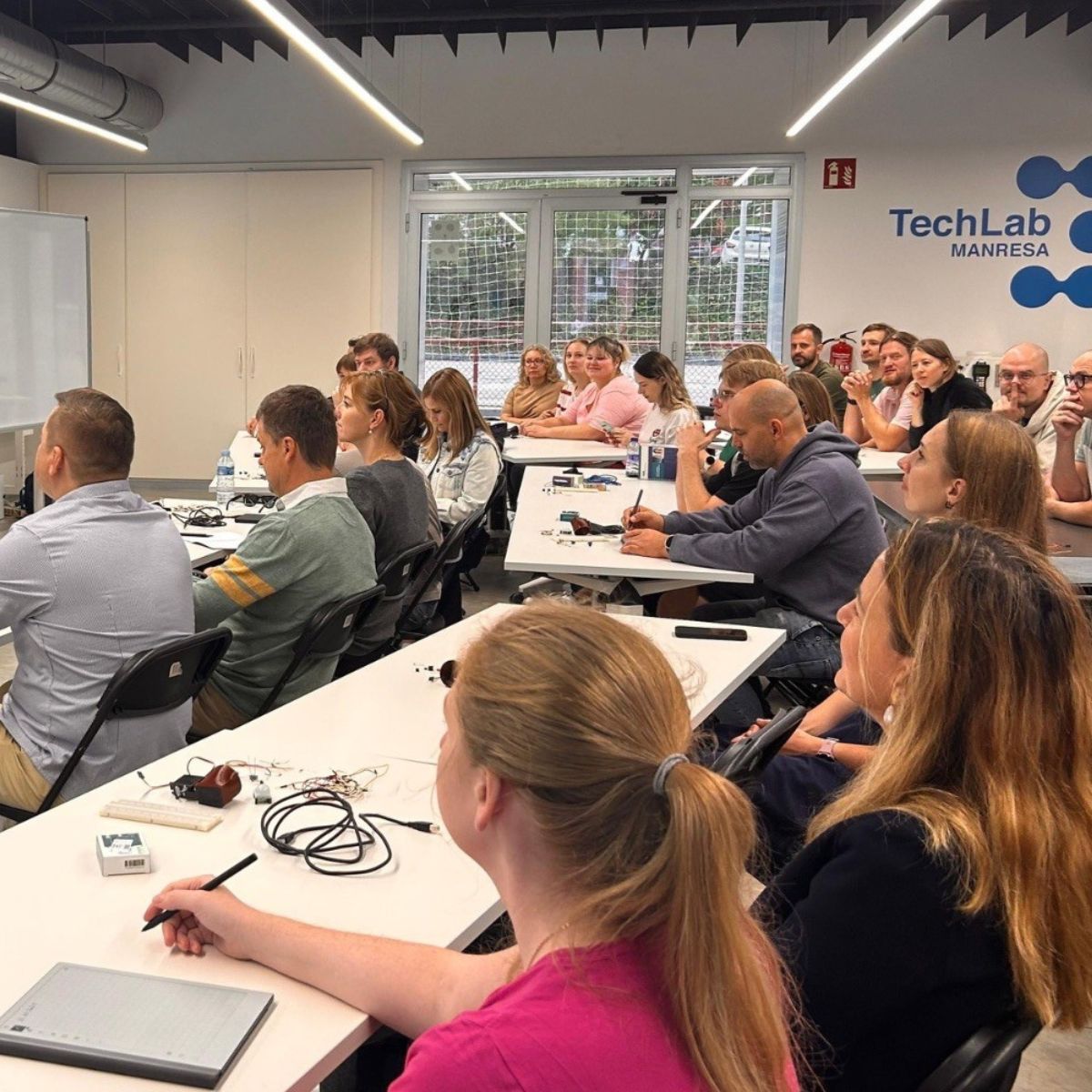
Technology and digital transformation are built on collaboration across disciplines. Studying alongside professionals from different industries creates valuable opportunities for networking and future partnerships.
MERIT brings together analysts, managers, engineers, finance professionals, entrepreneurs, and individuals transitioning into technology careers. For many students, these connections become one of the programme’s greatest long-term benefits.
6. Interdisciplinary Skills Are Becoming a Competitive Advantage
The World Economic Forum highlights that technology professionals increasingly need a combination of technical expertise and human skills.
Among the most valuable future competencies are cybersecurity, AI and data literacy, analytical and creative thinking, resilience, adaptability, leadership, influence, and an understanding of sustainability.
Programmes that develop both technical and managerial capabilities better prepare graduates for this evolving job market.
7. Long-Term Career Opportunities
Technology continues to offer some of the strongest career prospects and highest salaries across industries.
Demand is growing not only for traditional software engineering roles, but also for professionals working in digital transformation, data management, technology consulting, project management, and public-sector innovation.
MERIT prepares graduates to operate confidently across both technology and business, making them more versatile, competitive, and valuable throughout their careers.
The role of the IT professional is changing rapidly.
Today, it is no longer enough to understand programming languages or system architecture. Organisations need professionals who can lead projects, make strategic decisions, and use technology to create business value.
That is why master’s programmes combining technology with leadership are becoming increasingly important. MERIT is designed to provide exactly this balance while addressing the skills that tomorrow’s labour market will demand.
Applications are currently open for the cohort beginning in September 2026.